Virginia Boys of Leather
The mission of the Virginia Boys of Leather is to serve and support the kink, leather, and LGBTQIA+ communities. The term ‘boy’ is defined broadly with the intent of being as inclusive as possible, and not based on sex, gender, sexual orientation, age, or appearance. Grounded in the values of service, collaboration, and inclusion, we aim to create spaces where boys of service can grow, lead, and thrive.
A Brief Leatherboy History
Leather culture is a critical part of LGBTQ+ history — born from resilience, camaraderie, and the search for belonging. Following World War II, many gay veterans who had served their country returned home to find rejection from mainstream society but discovered community and purpose within the emerging Leather scene. These spaces offered brotherhood, ritual, and structure at a time when queerness was criminalized. During the height of the HIV/AIDS pandemic, the Leather community became a network of caregivers, advocates, and fundraisers — embodying loyalty and compassion through action. Its influence extended into art, fashion, and music, shaping the very aesthetic of queer liberation.
The 1970s marked the formalization of the leatherboy identity, as boys embraced service, learning, and devotion as central to Leather life. Since the earliest days of the modern Leather movement, boys have held a vital place alongside Daddies, Sirs, and Masters, not as lesser, but as essential partners in service, mentorship, and mutual growth. The boy identity reflects humility, dedication, curiosity, and the willingness to serve and learn. These values have created bonds of family, respect, and accountability that have shaped the Leather and kink communities across generations. In modern history, the leatherboy spirit continues to evolve, reminding us that strength, vulnerability, and community are not opposites but essential parts of our shared queer story.
We acknowledge our leather history and commit to creating our own. Creating a Leatherboys club in Virginia is about more than title or tradition; it’s about visibility, education, and belonging. This space allows boys of all identities to connect, serve, and lead within a supportive community that celebrates consent, inclusion, and the diversity of Leather experience. A leatherboy club aims to uplift the boy spirit by building bridges between clubs, supporting community service, and preserving the history of those who came before us while mentoring those who will follow.

Sources and Further Reading
Gayle S. Rubin, The Valley of the Kings: Leathermen in San Francisco, 1960–1990 (Routledge, 1998)
Patrick Wright, Leatherfolk: Radical Sex, People, Politics, and Practice (Alyson Books, 1991)
Stephen O. Murray, American Gay: Community, Kinship, and Identity (University of Chicago Press, 1996)
Louis Scharf, “The Leather Community and AIDS: Caring and Activism in the 1980s,” Journal of Homosexuality 44(1), 2003
Leather Archives & Museum, https://leatherarchives.org
Fetish and Fantasy: The Art of the Leather Community, Leslie-Lohman Museum of Art (2014)
Our History
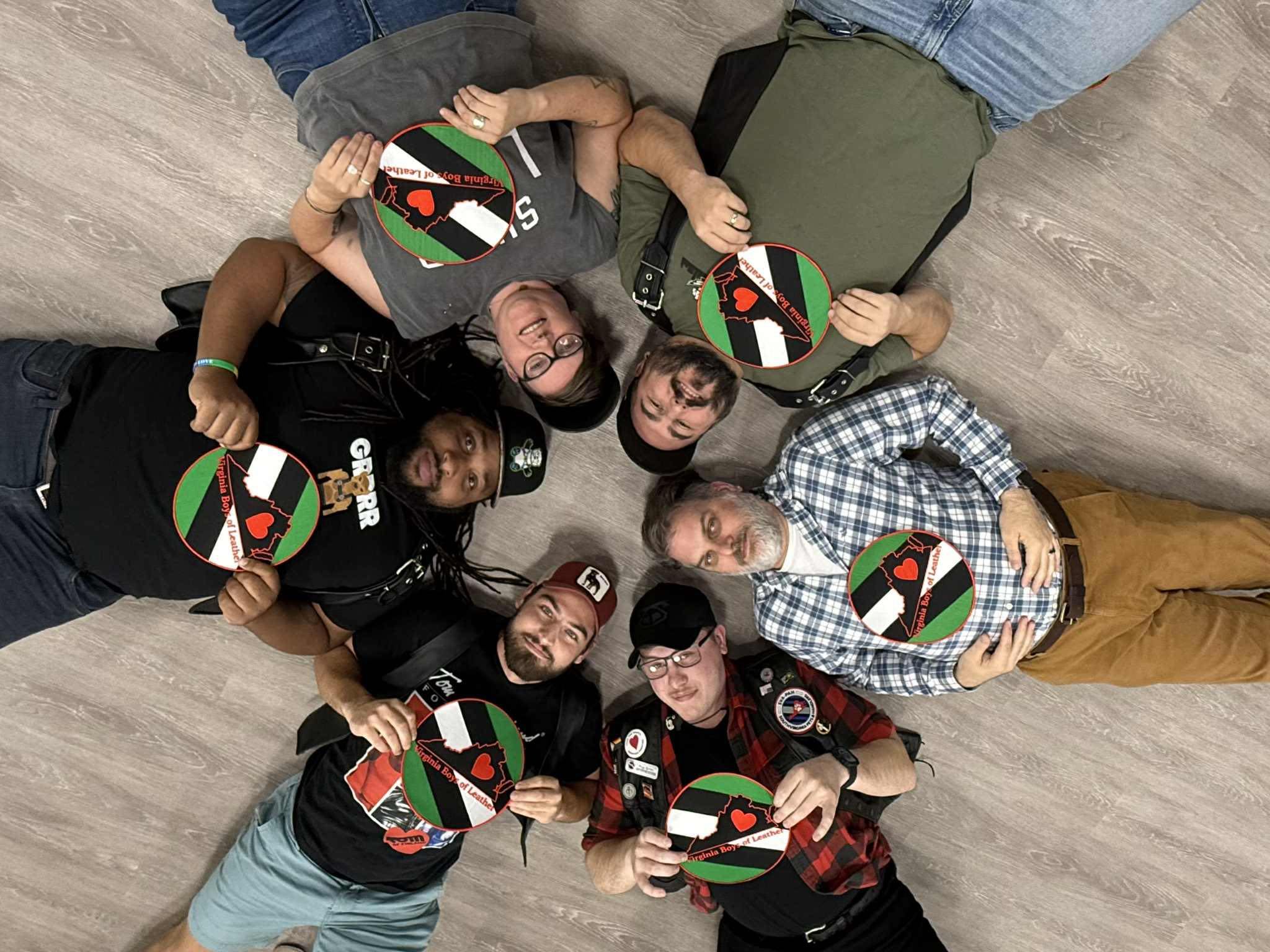
The Virginia Boys of Leather was formed on August 28, 2025 by the 6 Charter Members who saw a need for unity and connection between the various factions of the kink, leather, and LGBTQIA+ communities across all parts of Virginia. The Founding Members were Josh Collier, Marquis Mapp, Amy Newsom-Leblanc, Darryl Sparks, James Dillow and Scruffy. The traditional purpose of a “Boys of Leather” club is to connect and serve other clubs of a given area.
A need was identified for this Club to connect not only active clubs but also the various leather and kink communities across Virginia. This is especially important in areas where leather and kink are less commonly practiced or where such activities occur without the structure of a formal club. Additionally, the Club aims to create an inclusive space for non-leather individuals who share an interest in community and charitable service, ensuring they feel welcomed and appreciated by our members and the broader leather and kink community.